Introduction: The Environment of Rest
From the quiet hum of a cooling fan to the tactful whisper of a breathable sheet, the bedroom is a living environment whose influence on sleep often goes uncharted. Goldensleep.co presents a practical framework for translating sleep research and material science into actionable room-level choices. The aim is not a showroom of products, but a guide to crafting a calm, restorative space that respects both comfort and health-conscious materials.
Key themes recur across eras of sleep science: a stable surface that distributes pressure evenly; a climate-controlled environment that promotes thermoregulation; light management that aligns with the body's circadian rhythm; and a mindful approach to electronics and human activity before bedtime. In this guide, we interweave three historical perspectives—scientific, artistic, and practical—alongside contemporary product options that embody durable, non-toxic design ethos.
Three Key Perspectives Across Time
A robust sleep environment benefits from integrating insights from figures who shaped our understanding of rest, comfort, and space. Here are three key individuals from different eras who illuminate the relationship between room, body, and sleep.
-
Marie Curie (1867–1934): Light, Temperature, and Measurement
Curie's legacy in scientific measurement and attention to controlled environments echoes in modern sleep labs where ambient temperature, humidity, and light levels are tightly regulated. While Curie did not study sleep directly, her methodological rigor inspires a disciplined approach to bedroom conditions: measure what you can control, adjust, and observe. In the context of a sleep environment, that means calibrating room temperature to a comfortable range, using blackout methods to reinforce circadian signaling, and favoring materials that breathe and regulate humidity.
-
Le Corbusier (1887–1965): Space, Proportion, and Light
The architect who championed clear geometry and human-centric spaces offers a timeless model for bedroom design. A calm room with balanced proportions and softened daylight fosters a conducive sleep ambiance. Le Corbusier would advocate for a room stripped of visual noise, with surfaces and textiles that absorb glare and reflect warmth in measured ways. In practice, this translates to a restrained palette, subtle gold accents, and furniture that respects the silhouette of the sleeper rather than dominating it.
-
Dr. William C. Dement (1928–2020): Sleep Hygiene and Circadian Health
A pioneer in sleep medicine, Dement’s emphasis on sleep hygiene—regular schedules, wind-down routines, and environment-driven cues—resonates with today’s actionable guides. The practical takeaway is simple: a consistent wind-down environment, low-noise surfaces, and a sleep-ready atmosphere reduce awakenings and support restoration.
Core Elements of a Sleep-Ready Environment
What makes a bedroom conducive to sleep? The answer is not a single product but a system. Consider these interrelated layers: the sleep surface, the bed linens, the room’s lighting, the climate, and the layout that minimizes disruption. The following sections explore each element with practical steps and brand-agnostic guidance, anchored by durable materials and mindful design.
1) Sleep Surface: Mattress, Toppers, and Support
A stable sleep surface is foundational. When selecting a mattress, the focus should be on contouring that supports spinal alignment and pressure distribution, while allowing for breathability and temperature neutrality. In education-forward terms, this means balancing density, materials, and airflow. For example, an all-foam approach can offer a uniform feel with controlled conformity, while latex-based or hybrid designs emphasize responsiveness and edge support. The aim is to reduce tossing and turning caused by discomfort or overheating.
2) Linens and Temperature Management
Sheets, pillowcases, and duvet covers contribute to warmth, moisture management, and surface texture. Organic cotton percale and sateen weaves offer distinct hand feels and breathability. Percale tends to be crisp and airy, ideal for warmer climates or hot sleepers, while sateen offers a smoother, more luxurious drape that retains warmth more readily. A practical approach is to pair sheets with temperature-regulating toppers or blankets that align with seasonal needs and personal comfort.
3) Lighting: Darkness as a Sleep Cue
Light is a powerful circadian cue. Dimming lights in the evening, using warm color temperatures, and installing blackout curtains or eye shades can significantly improve sleep onset. The aim is to replicate the natural progression from daylight to darkness indoors, giving your brain permission to wind down. Blackout solutions and light-blocking window treatments should be considered a first-class component of the sleep environment.
4) Temperature and Humidity: The Quiet Regulator
Temperature affects sleep architecture. A room that’s too hot or too cold can fragment sleep, especially during REM and deep sleep stages. Ideal ranges vary by individual, but many sleepers report better rest in a cool-to-warm range around 60–67°F (15–19°C). Humidity also plays a role; products that regulate moisture while remaining breathable help keep the surface dry and comfortable through the night.
5) Layout: Reducing Disruptions
A calm layout reduces sensory distractions. Keep screens out of reach, minimize loud clocks or buzzing devices, and position the bed to create a sense of enclosure and safety. The goal is to craft a cocoon-like space that signals safety, rest, and recovery to the nervous system.
Practical Guides and Checklists
Printable: 30-Day Sleep Environment Plan
A concise, step-by-step plan to transform your room over a month.
Week 1: Establish a wind-down ritual, dim lighting, and remove electronic sources from the sleep surface. Choose breathable cotton percale or a similar organic sheet set for your climate. Check mattress and topper compatibility and ensure the bed is aligned with your spine.
Week 2: Introduce blackout elements and consider a mattress protector or breathable cover to manage moisture and allergens. Fine-tune room temperature using appropriate ventilation and bedding layers.
Week 3: Reassess lighting schemes for evening hours. Implement warm, low-intensity lighting, and establish a consistent sleep schedule that syncs with natural circadian cues.
Week 4: Create a simple, maintenance-friendly routine—washable linens, dust-mite control measures, and a plan to refresh bedding biannually to preserve hygiene and comfort.
My Environment: Quick Check-List
- Is the bed surface evenly supportive from edge to edge?
- Are linens organic, breathable, and properly fitted to your mattress depth?
- Is the room dark enough with effective blackout solutions?
- Is the temperature within a comfortable range for you?
- Are screens and disruptive devices out of the immediate sleep zone?
Choosing Durable, Thoughtful Materials
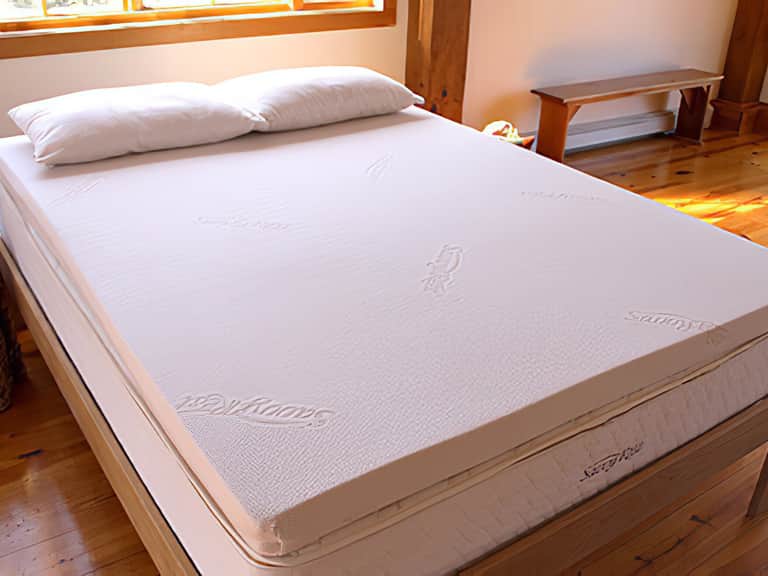
In a world of ever-expanding product catalogs, prioritize timeless, health-conscious choices. For instance, consider a breathable latex topper from Savvy Rest if you find a firmer mattress too rigid, or opt for organic cotton sheet sets with verified GOTS certifications to ensure material integrity. These durable options align with a non-commercial, educational stance while offering tangible improvements to sleep quality.
Case Studies: Rooms Reimagined
Three non-identical rooms, each optimized for different life stages and climates, illustrate how to apply the Sleep Environment Guide. The following profiles highlight deliberate design choices that emphasize comfort, hygiene, and circadian alignment.
Urban Studio: Cool, Calm, Tech-Minimized
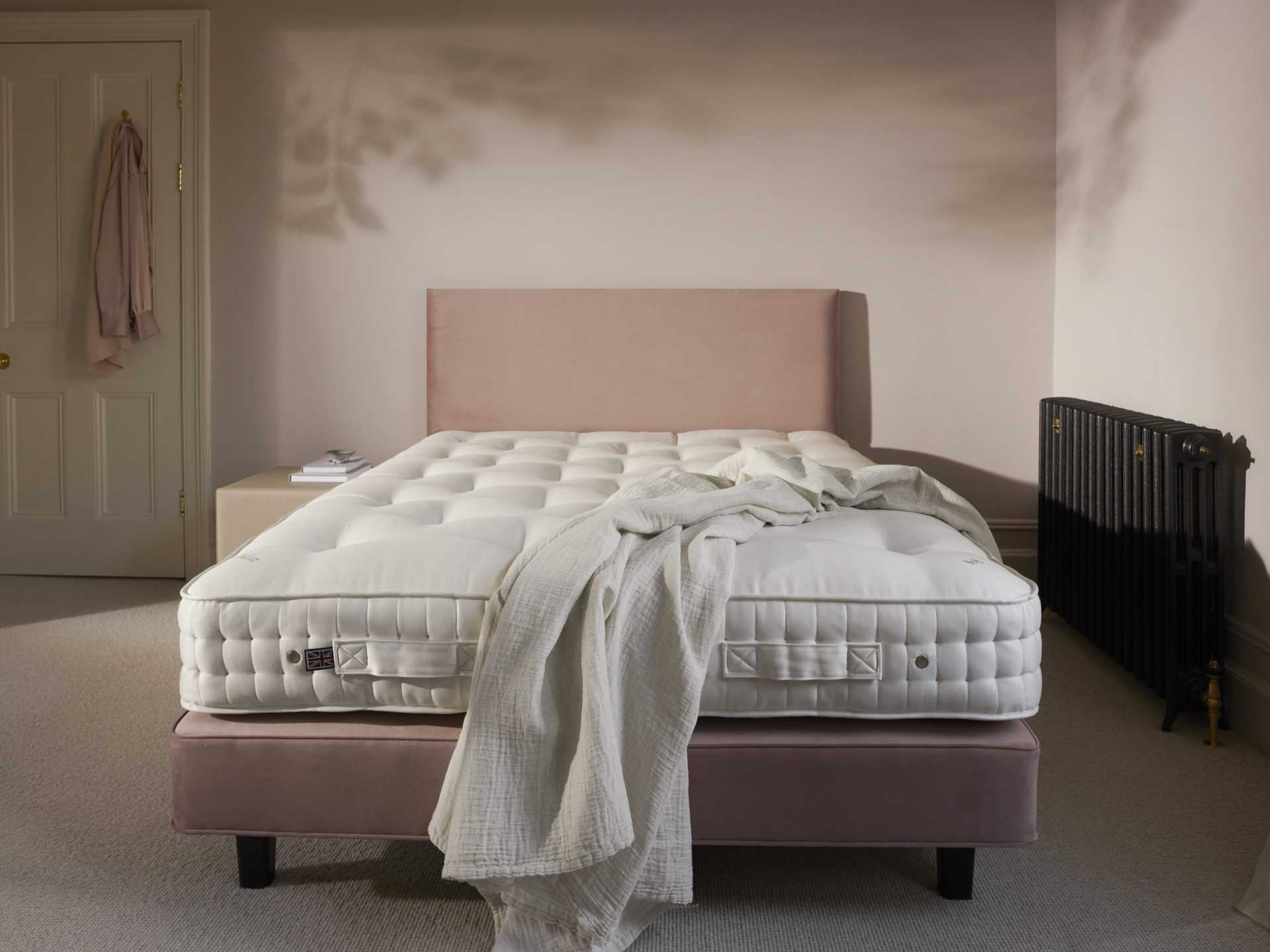
A compact space uses a Vispring Elite mattress option as a benchmark for built-in support and premium craftsmanship. Pair with Sleep and Beyond Organic Cotton Percale Sheet Set for crisp, breathable comfort. Blackout curtains block city light, and a low-wattage, warm-temperature lamp overlays the room with a night-friendly glow. The result is a restful cocoon that reduces micro-awakenings typical of urban environments.
Note: The Vispring Elite represents a high-end example of traditional craftsmanship—an aspirational touchpoint rather than a required component for all budgets.
Family Bedroom: Allergen-Safe, Temperature-Ready
In a shared family room, focus on breathable, hypoallergenic materials. An Organic Cotton Zippered Mattress Encasement and a 100% organic wool or cotton-knit topper provide a breathable, protective layer. The goal is to maintain a clean, hypoallergenic sleep environment that still feels soft and inviting to multiple sleepers of varying ages.
Student Nook: Lightweight, Flexible & Affordable
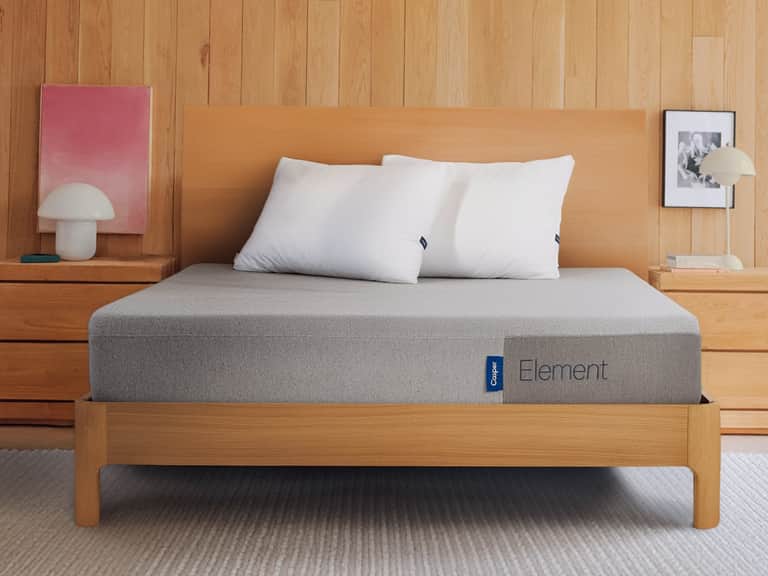
A compact bed with a Casper Element Mattress demonstrates an affordable, functional baseline. Complement with Sleep and Beyond mySheet Set and a Savvy Rest Vitality Latex Mattress Topper for adaptable comfort. A dimmable lamp and riot of natural textures create a soothing approach to late-night study sessions and early morning wake-ups.
Final Thoughts: A Non-Commercial, Educational Sleep Resource
The aim of this guide is to empower readers to curate sleep environments that honor personal comfort and health. By focusing on durable materials, breathable textiles, and circadian-friendly lighting, you can create a bedroom that works with your biology rather than against it. Remember, the best sleep environment is one that you can sustain over the long term—one that is adaptable as your life stages and climate shift through the years.
If you’d like, we can provide a starter site map, a 12-article content calendar, and a branding toolkit to accompany goldensleep.co—tools designed to help you educate, inform, and inspire without veering into commodity signaling.