Sleep Surface Guide
Organic Dunlop Latex Mattresses: How the Material Shapes Feel and Support
A latex mattress is more than a single material name. Density, firmness, layer depth, and the structure around the latex all influence how a bed feels beneath the body. Understanding those details can make it easier to compare organic Dunlop latex with other mattress constructions and choose a surface that suits your comfort preferences.
Start with the material, not the promise
Latex has a particular way of meeting the body. Rather than slowly sinking and holding an impression, as some sleepers experience with memory foam, latex generally responds as weight shifts. The surface compresses under pressure and pushes back with a springy, buoyant quality. That broad description is useful, but it does not tell the whole story. A mattress made with latex can feel gentle or quite firm, lively or more restrained, depending on how its layers are designed.
Dunlop is one common process used to make latex foam. In general terms, liquid latex is placed into a mold and then heated to form a resilient material. The resulting foam is often described as dense and supportive, though “Dunlop feel” is not a precise firmness rating. Two Dunlop layers may differ in formulation, density, thickness, and finishing, and those differences can be noticeable once a person lies down.
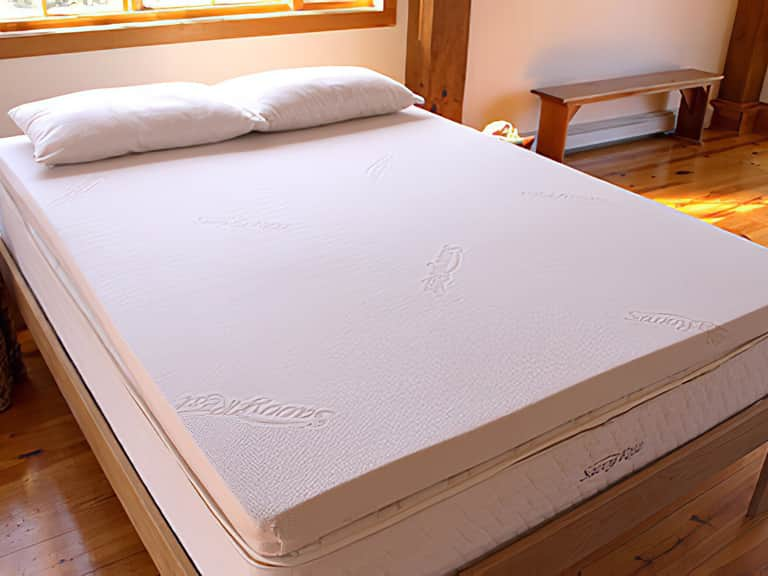
Organic Dunlop latex mattresses combine this type of latex with other construction choices: a foundation layer, one or more comfort layers, fabric covers, and sometimes additional materials. The experience comes from the whole system. A label can identify a material family, but it cannot replace clear information about the mattress’s composition and how its layers work together.
What Dunlop means in a mattress
Latex foam begins with latex, a milky fluid derived from rubber trees or produced synthetically. When mattress makers describe a product as natural or organic latex, the terms refer to the source and processing claims they make about the material. Because labels can use these words differently, it is sensible to look for a detailed materials statement and relevant certification information rather than infer the full composition from the name alone.
Dunlop latex is made in a mold and heated to set into a foam. This manufacturing method is commonly associated with a compact, resilient feel. In a finished mattress, a Dunlop layer may serve as a support core, a comfort layer, or one part of a multi-layer design. Its role depends on where it sits and how thick and firm it is.
For example, a mattress with a firm Dunlop core and a thinner, softer upper layer will generally feel different from a mattress made with a single, uniformly firm latex layer. A quilted cover can also slightly change the first impression of the surface. The material name provides a starting point; the layer map provides the context.
It is also important to distinguish Dunlop from Talalay latex. These are different manufacturing processes, and the finished materials may have different characteristics. Shoppers should avoid assuming that every latex mattress has the same feel or that one process automatically guarantees better comfort. Preference, construction, and individual fit matter more than a simple ranking.
Density, firmness, and the sensation of support
“Supportive” is often used as though it means “firm,” but the two ideas are not identical. Firmness describes the surface impression: how hard or soft the mattress seems when a person settles onto it. Support describes how well the mattress holds the body in a comfortable position across the night. A mattress can feel plush at the surface while still providing deeper support, or feel hard without being a good match for a particular sleeper.
Density is one factor that shapes how latex behaves, but it should not be treated as a direct substitute for a firmness scale. Density concerns how much material is contained in a given volume; firmness describes resistance to compression. Manufacturers may provide firmness options, but their labels are not always standardized across brands. A “medium” in one product line may not feel like a “medium” elsewhere.
Thickness matters as well. A thicker comfort layer generally gives the body more room to settle into the mattress before reaching firmer material underneath. A thinner layer may create a more direct, responsive sensation. If a mattress includes several layers with different firmnesses, the way those layers interact can influence pressure relief, ease of movement, and how supported the body feels.
When evaluating a mattress, pay attention to the position of each layer and the stated firmness of each one. Ask whether the firmness refers to the complete mattress or to an individual latex layer. If a specification sheet does not make this clear, it is worth seeking clarification before comparing models.
Responsiveness and pressure relief
Latex is often appreciated for its quick response. When a sleeper shifts position, the surface tends to recover promptly instead of forming a slow-moving impression. Some people describe this as a floating sensation; others simply find it easier to move across the bed. The same lively quality that feels comfortable to one person may feel too springy to another, which is why trying a mattress, when possible, can be valuable.
Pressure relief is a separate consideration. The mattress needs to yield enough beneath areas such as the shoulders and hips while still helping the body remain comfortably supported. Side sleepers often notice pressure at the shoulder or outer hip, especially on a surface that is too firm for them. Back and stomach sleepers may prefer a different balance, with enough cushioning for comfort but less sink around the pelvis.
No material can guarantee a particular result for every body. Body shape, weight distribution, preferred position, and personal sensitivity all affect the experience. Someone sharing a bed may also need to consider whether both sleepers can find a workable firmness and whether movement across the surface is noticeable to the other person.
A practical test is to lie in your usual sleeping position for several minutes rather than judging the mattress from a quick sit or brief press. Notice whether your shoulder and hip feel crowded, whether your lower back feels comfortably held, and whether changing positions feels natural. These observations are not medical assessments, but they can help you describe what feels right or wrong to you.
How to compare firmness options
Firmness preferences are personal, and sleep position offers a useful starting point rather than a rule. Side sleepers often look for enough cushioning to accommodate the shoulders and hips. Back sleepers may prefer a balanced feel that combines surface comfort with stable support. Stomach sleepers may be more comfortable on a firmer surface that limits excessive sinking around the midsection. These are general patterns, not guarantees.
Before comparing models, describe the issue you are trying to solve. Is your current mattress uncomfortable at the shoulders? Does it feel too soft when you lie on your back? Do you want a more responsive surface or one that feels less buoyant? A clear description can be more helpful than searching for a firmness number in isolation.
- Consider your usual sleep position: Think about where your weight rests and which areas need cushioning.
- Compare the complete build: Note layer thickness, firmness descriptions, and what lies beneath the comfort layer.
- Check the firmness scale: Find out whether the maker explains its ratings and how they apply to the full mattress.
- Allow for adjustment: A new sleep surface may feel different from the one you are used to, so use the stated trial and return terms to understand your options.
- Account for the bed base: The foundation can affect how the mattress sits and performs. Follow the manufacturer’s support requirements.
If an in-person trial is unavailable, look closely at the return window, any exchange fees, the condition requirements, and whether the mattress must be used on a specified foundation. A generous-sounding trial is only useful when its practical conditions are understood before purchase.
Organic claims and certifications: what to verify
“Organic” is a meaningful word, but it needs context. A claim may refer to a particular latex component, the textile cover, or a set of materials in the finished mattress. It does not necessarily mean every part of the bed is certified organic. Look for a product description that identifies which materials carry the claim and which organization or standard verifies it.
Certifications can help provide independent checks on defined aspects of a product or supply chain. However, different certifications address different questions. Some focus on organic agricultural inputs or textile processing, while others address emissions or chemical restrictions. A certification for a cover fabric does not automatically certify the latex, the entire mattress, or every stage of manufacturing.
Useful questions include:
- Which parts of the mattress are certified, and under what standard?
- Is the latex described as natural, organic, or a blend, and is the composition clearly stated?
- Does the certification apply to the finished product or only to a component?
- Can the manufacturer provide a certificate, scope statement, or other documentation?
- Are adhesives, fire barriers, and cover materials described separately?
Certifications are most useful when read as specific evidence, not as a broad promise that a mattress is automatically healthier, safer, or more comfortable for everyone. If you have a particular sensitivity or health concern, review the full materials information and discuss relevant questions with a qualified professional.
The complete mattress is a system
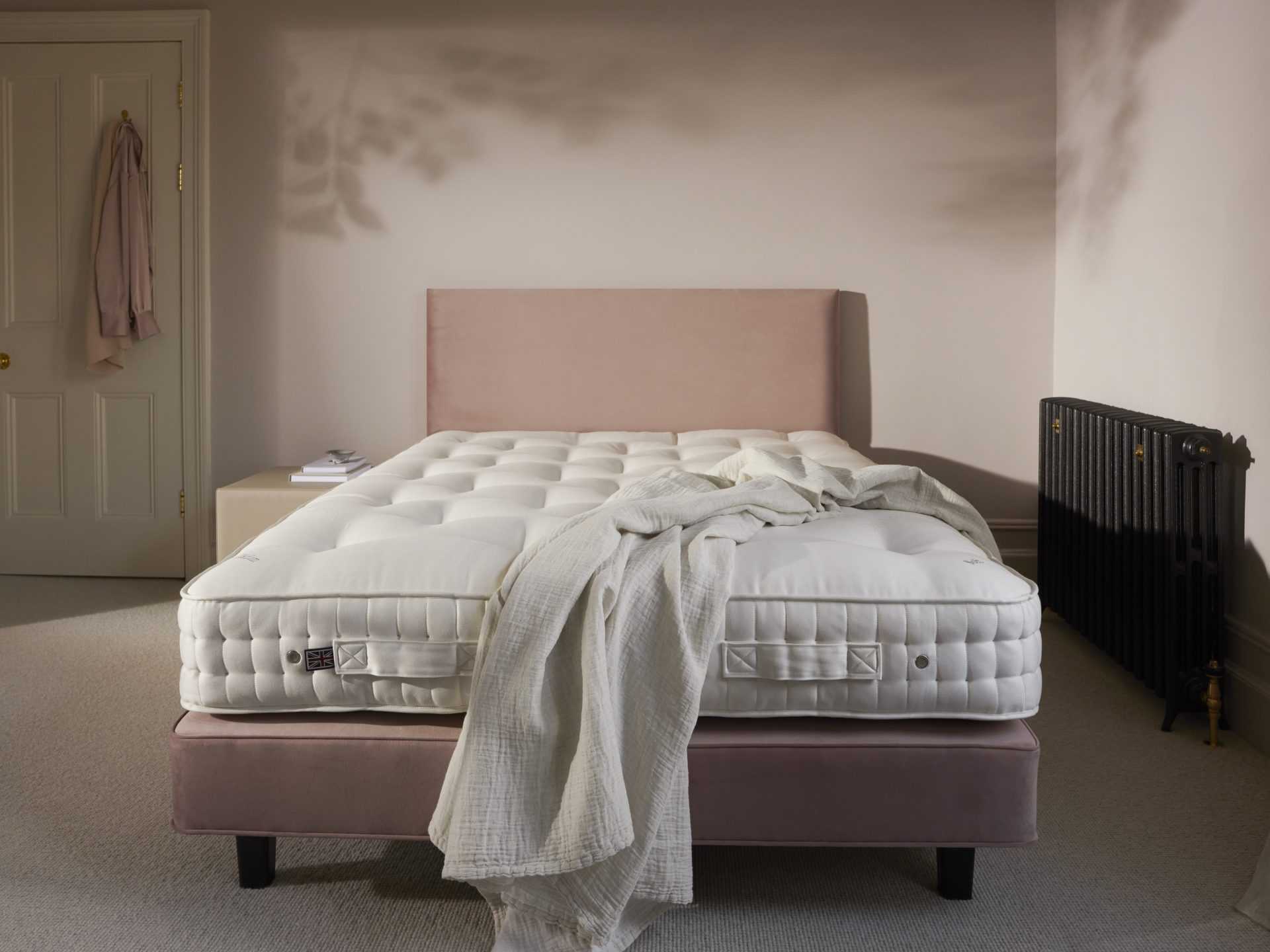
A latex mattress is not simply a block of foam placed on a bed frame. The layers, cover, and foundation work together to shape the sleep surface. A supportive latex core may sit beneath softer latex or another comfort material. The cover may be tightly fitted or quilted. Each choice can alter how quickly the mattress responds and how much the sleeper feels the layers beneath.
Layer order is especially important. A soft top layer can create a more welcoming initial feel, while firmer material below may limit deeper compression. If the upper layer is very thin, the underlying core may be easier to sense. If it is thicker, the sleeper may experience a more cushioned transition. A detailed construction diagram or written layer breakdown can help explain what a firmness label alone cannot.
Foundation compatibility deserves equal attention. Some mattresses require a firm, even platform or a specific type of slatted base. Slat spacing, center support, and the condition of the frame can affect how evenly the mattress is supported. Using an unsuitable base may change the feel and could affect warranty coverage, so follow the mattress maker’s instructions.
Bedding has a smaller but still noticeable role. A thick topper can soften the first impression and partly obscure the character of the mattress below. Sheets and protectors may also change the surface feel, particularly if they are tight or heavily padded. When assessing a new mattress, use bedding that fits properly and does not add substantial extra cushioning.
Care, durability, and warranty details
Latex mattresses are often selected for their resilience, but durability depends on more than the word “latex.” Material quality, layer construction, use, foundation support, and care all play a part. Seek specific information about the manufacturer’s warranty and understand what it covers, what it excludes, and how to make a claim.
Before buying, check whether the mattress may be rotated, whether it can be flipped, and what cleaning methods are permitted. Many layered designs are intended to be used in one orientation. A removable cover does not always mean the entire cover is machine washable. Avoid applying cleaners or exposing latex components to conditions the maker does not recommend.
Warranty terms commonly distinguish manufacturing defects from ordinary changes that occur through use. They may also set requirements for the bed frame, mattress care, and proof of purchase. Read the full policy rather than relying on a warranty length alone. A longer term does not necessarily mean every comfort change is covered.
There may also be a period of adjustment as your body becomes accustomed to a different sleep surface. This does not mean discomfort should be ignored or that every mattress will suit every sleeper. It means that purchase decisions should account for the maker’s stated break-in guidance as well as the actual trial and return conditions.
A practical checklist for shoppers
Comparing organic latex mattresses can become easier when the same questions are applied to each option. Rather than relying on a single headline claim, gather details that describe the materials, construction, and terms of use.
- Identify the latex type: Confirm whether the mattress uses Dunlop, Talalay, or more than one kind of latex.
- Map the layers: Record each layer’s material, thickness, and stated firmness.
- Clarify the organic claim: Find out which components are certified and verify the scope of the certification.
- Match the feel to your preferences: Consider pressure relief, responsiveness, and how much cushioning you want.
- Check the support base: Confirm that your frame meets the mattress maker’s requirements.
- Read care guidance: Learn whether the mattress can be rotated, flipped, or cleaned in a particular way.
- Review the warranty and trial: Understand the conditions, exclusions, fees, and return steps before deciding.
This method is useful whether you shop in a store or online. It also makes it easier to compare products fairly: a mattress with more detailed disclosures may be easier to evaluate, even if its firmness description sounds similar to another model’s.
A considered choice, not a universal answer
Organic Dunlop latex can be a compelling option for people who want a resilient, responsive mattress and value clear information about materials. Its density and spring-like recovery give it a recognizable character, but the final feel depends on firmness, layer thickness, cover construction, and the support beneath it. No single latex description can predict exactly how a mattress will feel to every sleeper.
The strongest comparison is built from specifics: what the mattress contains, how its layers are arranged, what the firmness labels mean, and which certifications apply to which components. Pair those details with your own experience of pressure, movement, and support. A careful, unhurried assessment is more reliable than choosing by a material name alone.
Sleep preferences can also change over time. A mattress that feels comfortable now may not be the right fit under different conditions, and persistent pain or sleep disruption may have causes that a new mattress cannot address. If discomfort continues or affects daily life, seek advice from a qualified healthcare professional rather than treating bedding as a substitute for care.