Blankets are versatile bedding layers that add warmth, softness, and comfort to a sleep space. Their usefulness depends on factors such as fiber type, weave, thickness, and breathability. Understanding these characteristics can help explain how a blanket works alongside sheets, pillows, and duvet covers across different seasons and sleeping preferences.
Natural fibers such as wool can help regulate temperature by insulating while allowing moisture to escape. Cotton and other breathable materials may suit people who prefer a lighter layer, while denser weaves provide more coverage in cooler conditions. Fiber content, care requirements, and construction are useful details to consider when comparing blanket characteristics.
Blankets also serve practical purposes beyond nighttime warmth, including providing a comfortable layer for reading or relaxing. Lightweight designs can be easier to fold and store, whereas heavier options may offer a more substantial feel. Matching blanket weight and texture to the climate and existing bedding can support a comfortable, adaptable sleep environment.
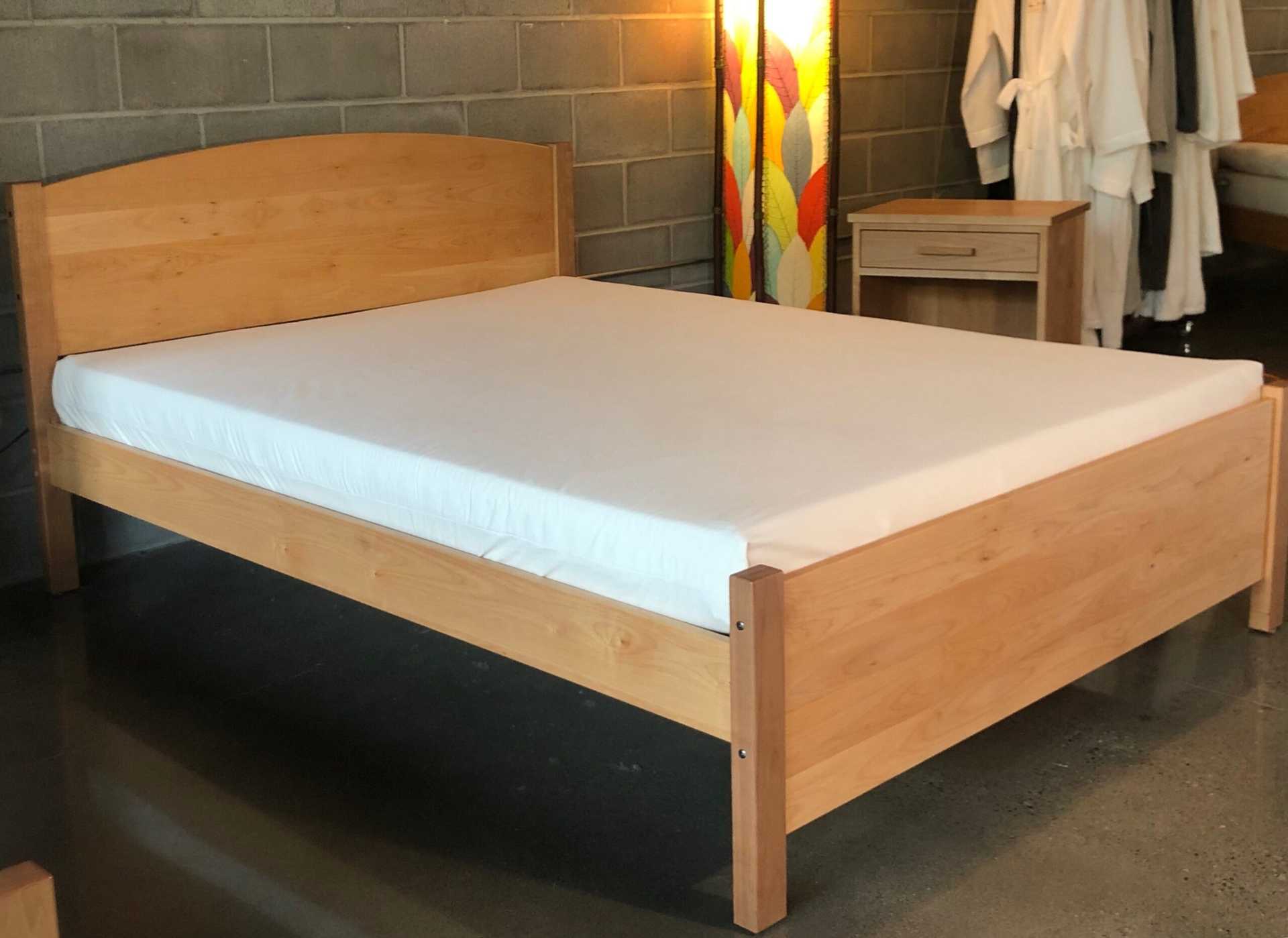
In a broader bedding context, the Natural Wool & Latex Mattress 6.5 Inch combines wool and latex in a mattress design. Wool can contribute natural insulation and moisture management, while latex is valued for resilient support. These materials relate to organic mattresses and illustrate how mattress construction complements blankets, sheets, pillows, and duvet covers.
When evaluating blankets, consider warmth, breathability, texture, dimensions, and laundering guidance, as these features influence everyday usability. Layering a blanket over sheets or beneath a duvet cover can provide adjustable comfort without changing the mattress. Together, thoughtfully selected bedding components can accommodate seasonal temperature shifts and individual sleep preferences.
 Bedding